-
call us any time 9815260551
-
email us [email protected]
-
address Kupondole-01, Lalitpur, Nepal
Technical Insight
Flaring Copper Pipes in HVAC Systems: Why It Matters for Leak-Free Connections
Practical guidance and technical updates from ASM Engineering Services to support better MEP, HVAC, electrical, and plumbing decisions.

17
March
Flaring Copper Pipes in HVAC Systems: Why It Matters for Leak-Free Connections
Ever wondered how copper refrigerant pipes are connected in split AC, VRF/VRV systems without welding?
One of the most commonly used methods in HVAC installation is called 𝐟𝐥𝐚𝐫𝐢𝐧𝐠.
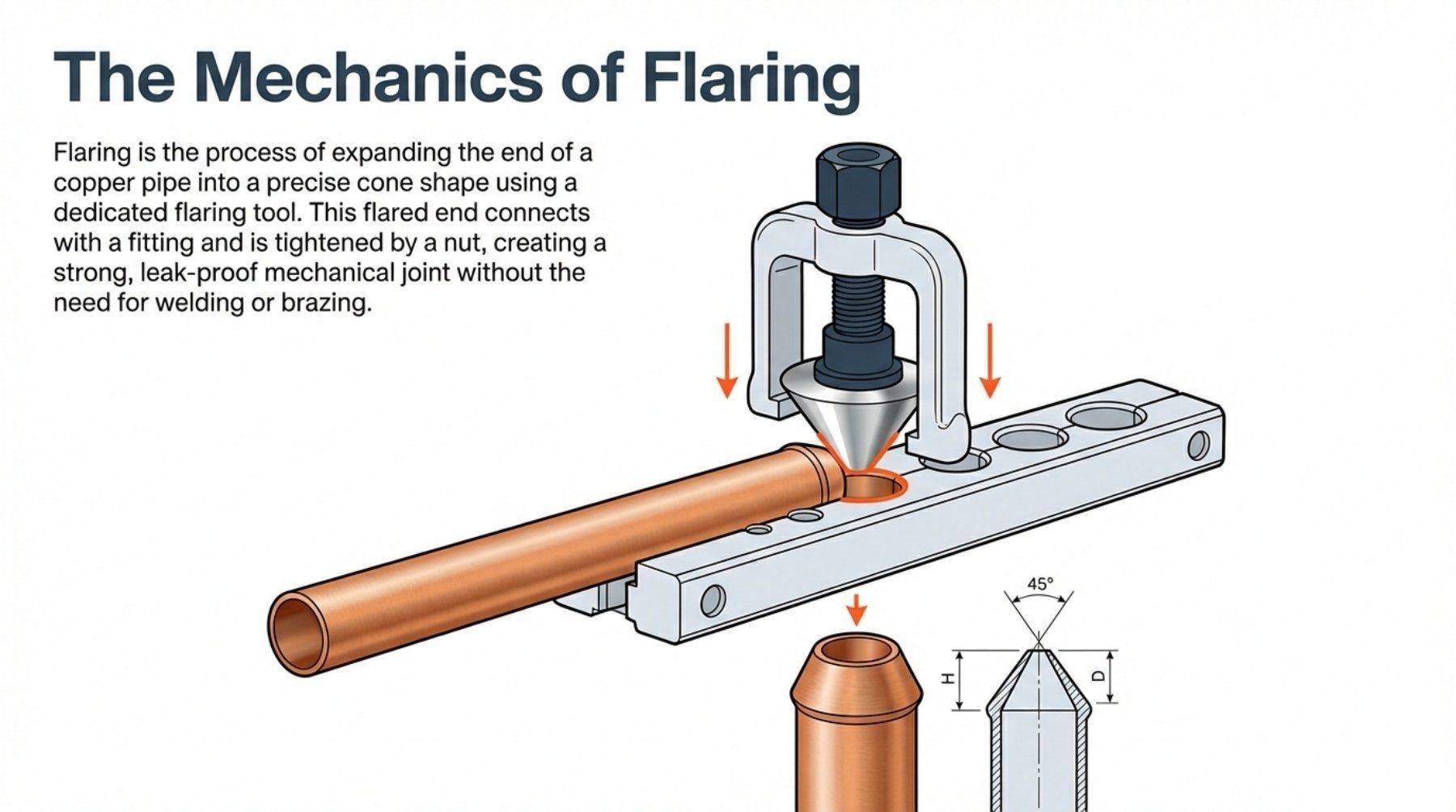
Flaring is the process of expanding the end of a copper pipe into a cone shape using a flaring tool. This flared end is then connected with a flare fitting and tightened using a flare nut, creating a strong and leak-proof mechanical joint.
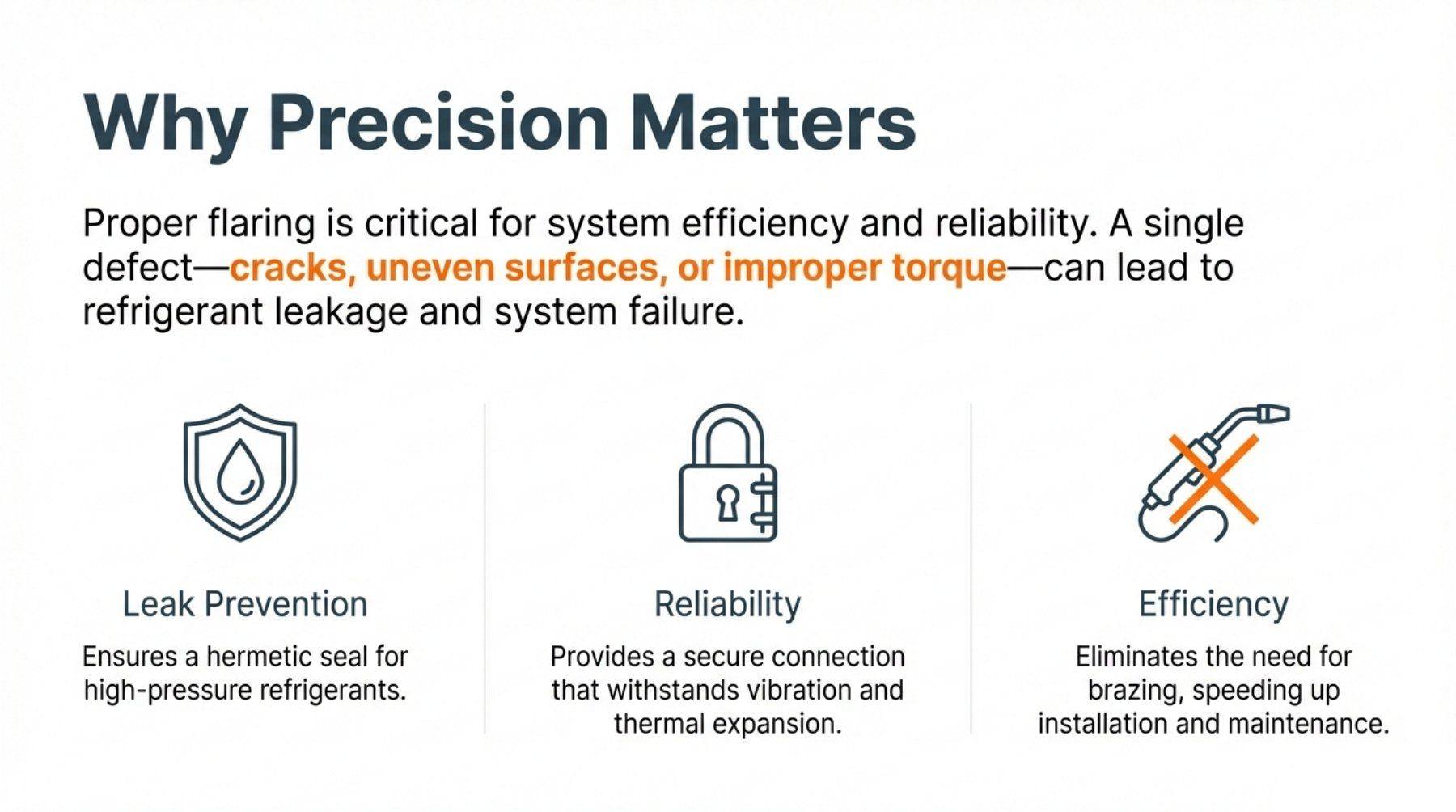
𝐖𝐡𝐲 𝐢𝐬 𝐟𝐥𝐚𝐫𝐢𝐧𝐠 𝐢𝐦𝐩𝐨𝐫𝐭𝐚𝐧𝐭?
• Prevents refrigerant leakage
• Provides a secure and reliable connection
• Allows easy installation and maintenance
• Eliminates the need for brazing
𝐖𝐡𝐚𝐭 𝐈 𝐥𝐞𝐚𝐫𝐧𝐞𝐝:
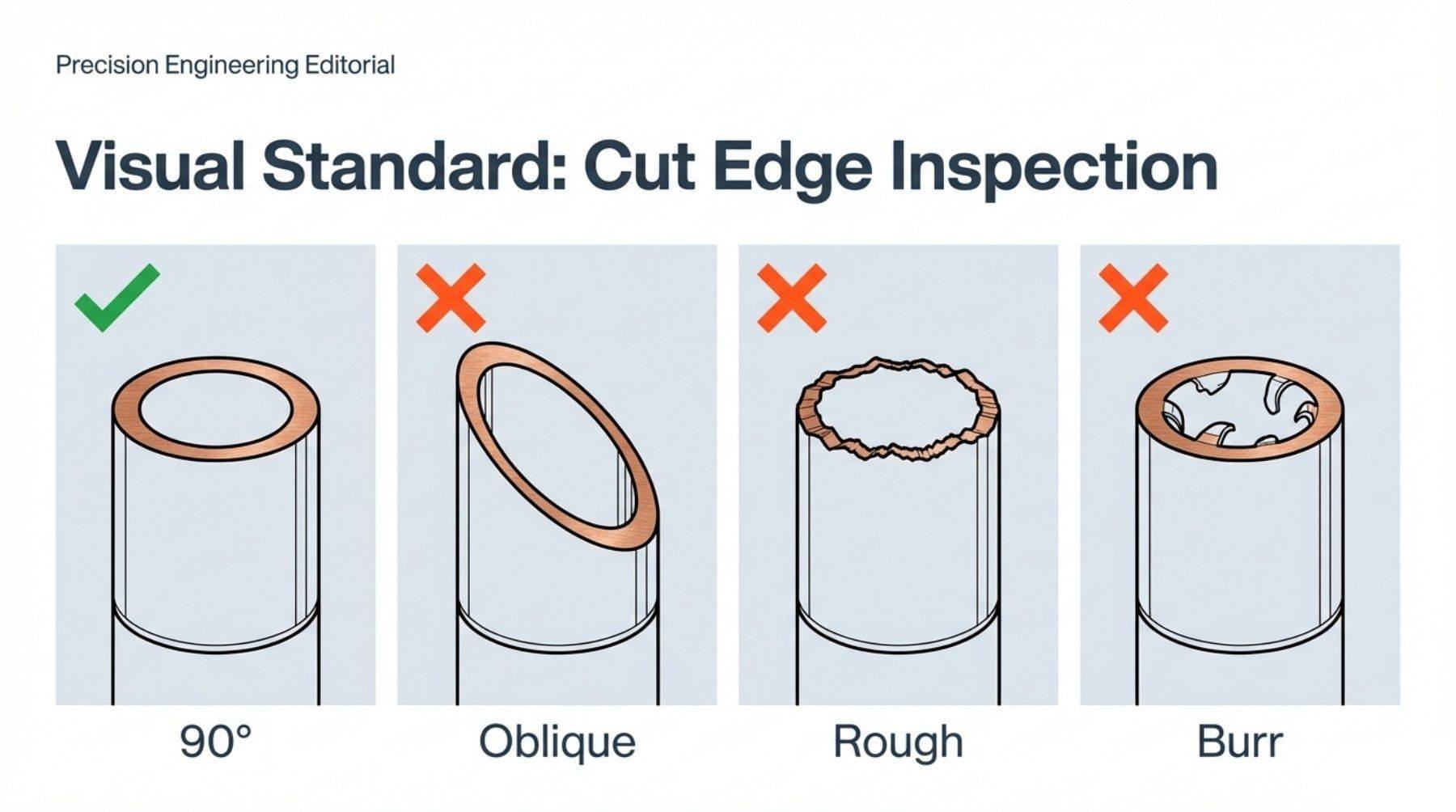
While studying HVAC systems, I realized that proper flaring is critical for system efficiency and reliability. Even a small defect like cracks, uneven flare, or improper tightening can lead to refrigerant leaks and poor system performance.
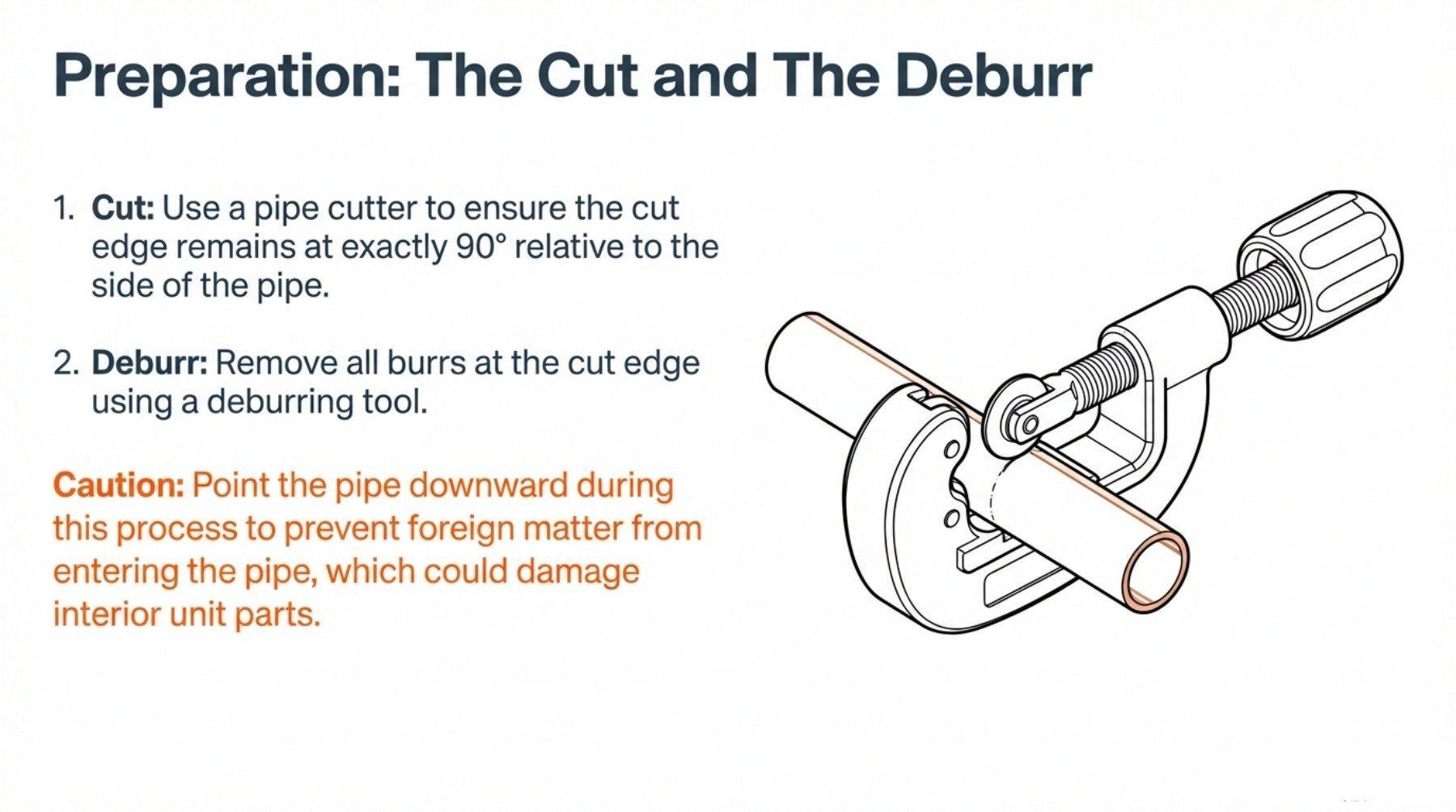
Using the correct tools, ensuring a smooth flare surface, and tightening with proper torque are essential practices every HVAC technician and engineer must follow.
Small installation details like proper flaring make a big difference in ensuring long-term, efficient, and leak-free HVAC system operation.